Residential, commercial and emergency plumbing across Melbourne’s eastern suburbs
Tree roots can cause repeat blocked drains as the weather warms. Learn the warning signs, why roots return and when a CCTV inspection can help.
The short version
Late winter and early spring are common times for tree-root blockages in older drains.
Across Melbourne’s eastern suburbs, our residential plumbers often see the same pattern: a drain works normally through winter, then slows or backs up as the weather warms. Sometimes it is the same drain that was cleared the previous year.
Roots become more active as the soil warms and naturally grow towards moisture. If an older drain has a cracked pipe or failed joint, even a small leak can attract nearby roots.
By the time a blockage is obvious, the pipe defect may have been there for years. Clearing the roots gets the water moving again, but the underlying damage still needs to be identified.
Drain blocked more than once?
A CCTV inspection can show exactly where the problem is and whether the pipe needs repair. Call 1300 29 27 31.
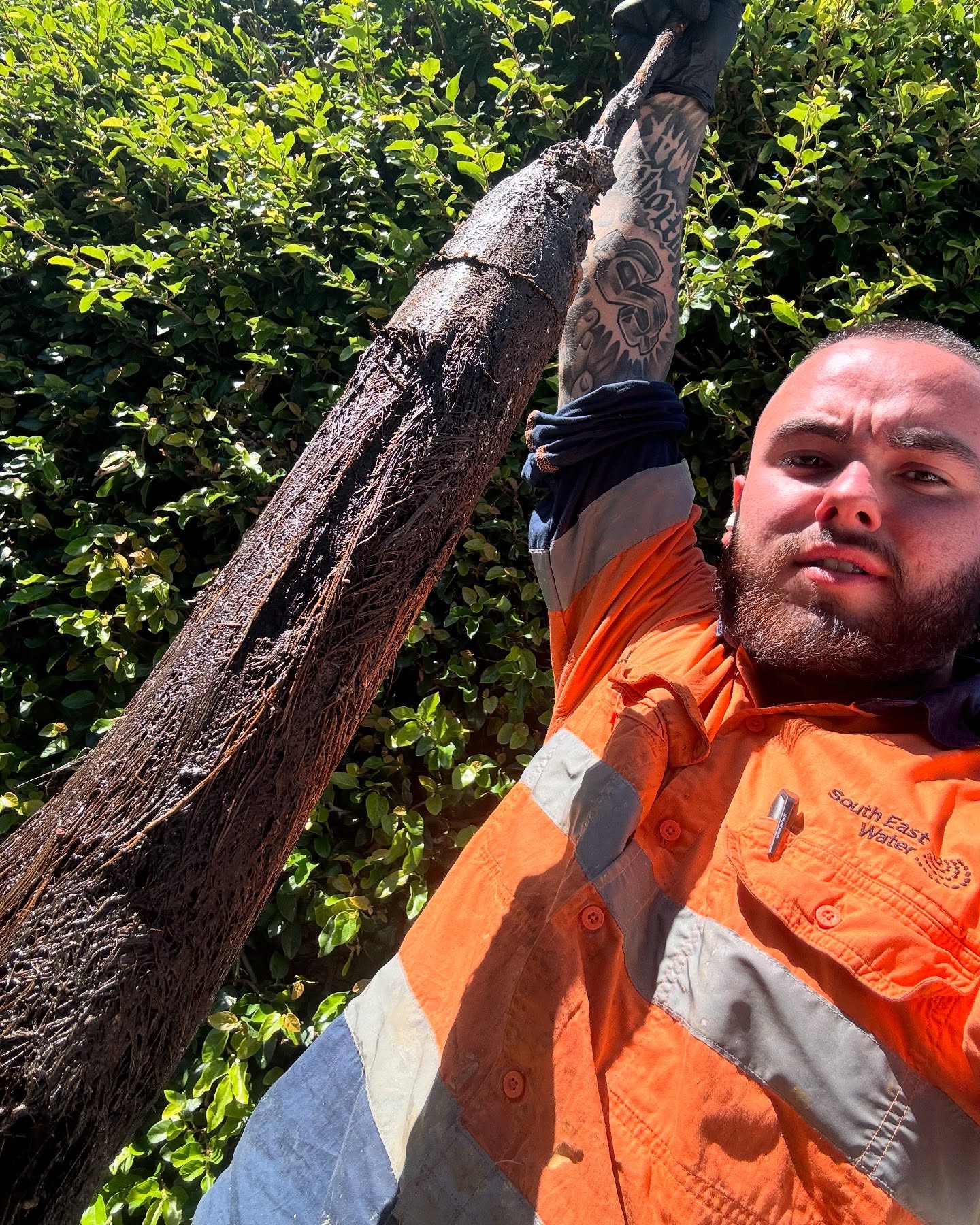
Root growth increases as soil temperatures rise through late winter and early spring.
When a drain joint cracks or separates, small amounts of moisture can escape into the surrounding soil. Nearby roots grow towards that moisture.
Even a small opening can allow fine roots to enter. Once inside the pipe, they thicken and branch, catching paper, wipes, fat and other debris.
Over time, this build-up restricts the flow and can eventually cause a complete blockage.
Many Melbourne homes built before the 1970s have earthenware or clay drains made from short pipe sections with mortar-sealed joints.
Over decades, the mortar can deteriorate and ground movement can shift the joints. Melbourne’s reactive clay soils expand and contract as moisture levels change, which can place extra movement around older pipework.
Older homes with mature gardens or established street trees are therefore more likely to experience root intrusion through damaged joints or cracks.
PVC drains became more common from the 1970s onwards. They use longer pipe lengths and sealed joints, so they are generally less vulnerable to roots. They can still develop problems if a joint is poorly made, a section settles, or the pipe is damaged.
Common warning signs include:
One slow fixture can be a local blockage. If several fixtures drain slowly or gurgle at the same time, the main drain is more likely to be involved.
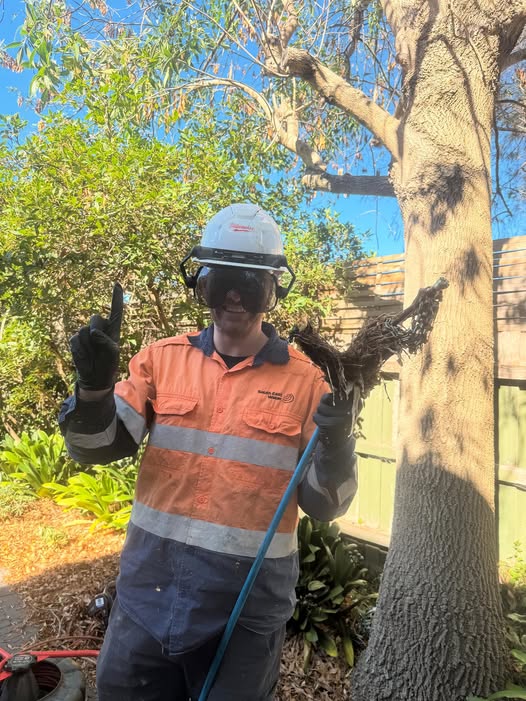
Mechanical clearing or high-pressure jetting removes the root mass inside the pipe and restores the flow.
If the crack or failed joint remains, roots can grow back through the same opening. In some cases, the blockage returns within 12 to 18 months.
Clearing is often the right first step when a drain is backed up. The important next step is inspecting the pipe so the cause of the blockage is not missed.
A CCTV inspection can locate the defect and show the condition of the drain. If the pipe is suitable, it can then be relined from the inside to seal cracks and joints without excavation.
In general, the property owner is responsible for drains within the property boundary, up to the point where they connect to the water retailer’s sewer. Yarra Valley Water says blockages in private pipes, or in a combined drain shared by several properties, are the owner’s responsibility and should be handled by a licensed plumber (Yarra Valley Water — Responsibilities).
The water retailer depends on where you live. South East Water covers Knoxfield, Rowville, Ferntree Gully, Scoresby, Boronia, Wantirna and Wantirna South. Yarra Valley Water covers many northern and inner-eastern suburbs, including Kew, Hawthorn, Camberwell and Box Hill (Victorian Government — water corporations).
Once a blockage is beyond the property connection point, it is generally the water retailer’s responsibility. Most household drain blockages, however, are on the private side of the connection.
A drain that has blocked before may block again if the underlying cause has not been repaired. Finding the defect early can help prevent repeat call-outs and more extensive damage.
Triple Eight Plumbing handles blocked drains, CCTV inspections, pipe relining, hot water, burst pipes and general maintenance across Melbourne’s eastern suburbs. Submit a quote request or call us on 1300 29 27 31.